

Positive Behaviour Support
At BMe Supports, we provide respectful, neuro-affirming, and evidence-informed Behaviour Support for neurodivergent individuals of all ages.
We specialise in supporting children, teens, and adults who experience behaviours of concern— with compassion, not control.
We work collaboratively with families, carers, educators, and professionals to reduce distress, build skills, and enhance quality of life.
We don’t manage behaviour — We understand it!
Behaviour is communication, and our role is to decode it with curiosity, not correction.
Behaviour Support Information
-
What Is Positive Behaviour Support (PBS)?
Positive Behaviour Support is a person centred, rights-based, and trauma-informed approach to understanding behaviours of concern. At BMe Supports, we use PBS to improve our emotional wellbeing, daily quality of life, and meaningful participation.
Our PBS approach focuses on identifying unmet needs, reducing environmental stressors, and replacing behaviours of concern with effective and respectful alternatives. Where restrictive practices are in place, we work to minimise and eliminate their use in line with best practices.
All Behaviour Support services align with NDIS Quality and Safeguards Commission requirements to ensure ethical, inclusive, and evidence-informed intervention.
-
What Do Behaviour Support Practitioners Do?
Our Behaviour Support services deliver individualised, value-based support through a clear and structured process.
Assessment involves observation, interviews, and data collection to identify triggers, patterns, and functions of behaviour.
Plan development focuses on creating collaborative Behaviour Support Plans that reflect the person’s strengths, goals, and support needs.
Implementation includes working alongside families, educators, and support workers to model strategies, provide training, and embed tools into everyday environments.
Monitoring and evaluation ensure plans remain relevant. We regularly review progress and adjust strategies as needs change.
Collaboration is central to our model. We work in partnership with psychologists, occupational therapists, speech pathologists, support coordinators, and schools to deliver coordinated, team-based care.
-
The Behaviour Support Process
Referral and intake begin when you complete our online form or contact us directly.
An initial consultation follows to clarify goals and gather background information.
We then complete a Functional Behaviour Assessment using observation and team input to understand behaviour within real-life contexts.
This informs the development of a behaviour support plan that includes trauma-informed strategies, regulatory supports, and practical tools.
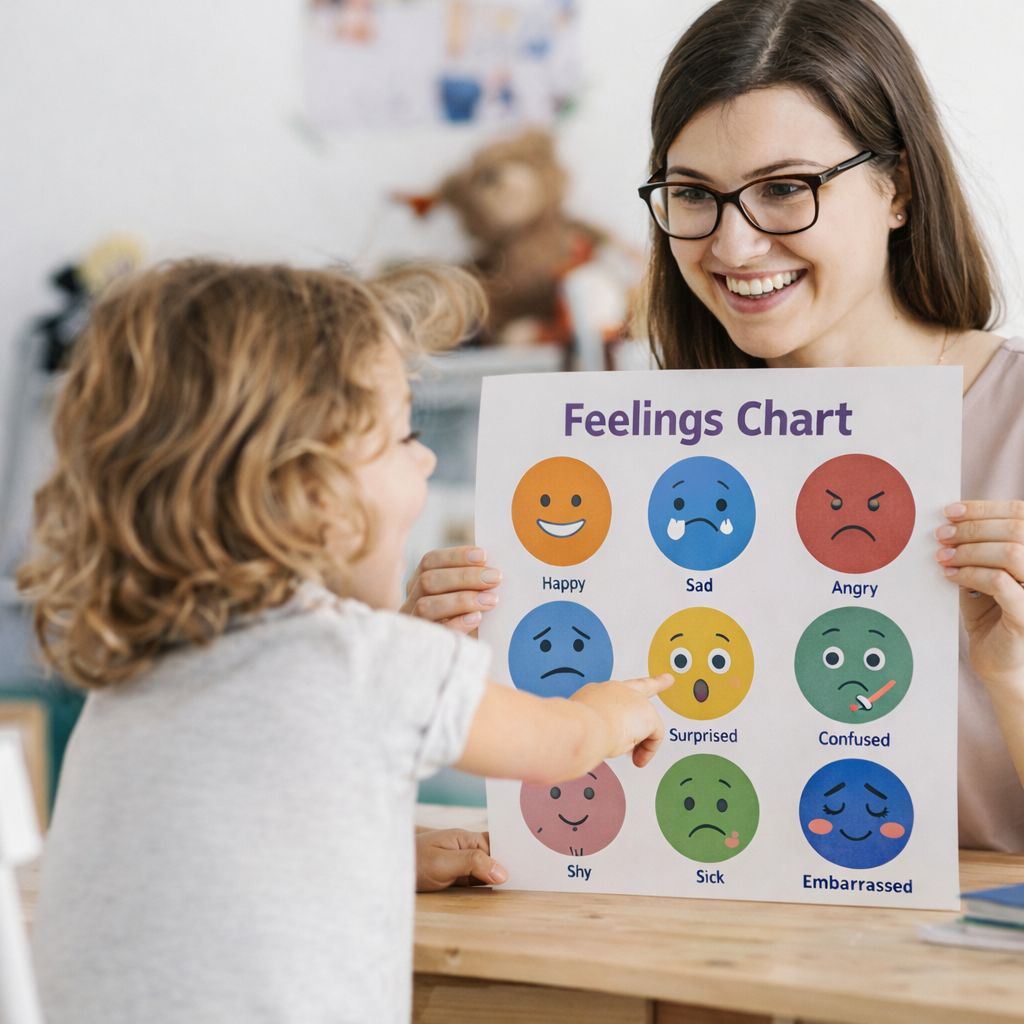
Implementation support involves ongoing coaching, modelling, and the use of visual resources to help families, educators, and support teams embed strategies in their everyday environments. Plans are reviewed regularly and adapted to reflect progress and changing needs.
We prioritise collaboration with families and carers, school wellness staff and educators, and allied health professionals to create consistent and empowering support across all settings.
-
What’s in a Behaviour Support Plan (BSP)?
Each Behaviour Support Plan includes a Functional Behaviour Assessment that identifies triggers, patterns, strengths, preferences, and routines. Clear SMART goals outline what the person is working towards in specific, measurable, achievable, relevant, and time-bound ways.
Plans include intervention and prevention strategies that focus on proactive supports, emotional regulation, and skill development. A crisis plan provides respectful and least restrictive responses for high-risk situations.
Team guidance is embedded throughout the plan with step-by-step strategies, visual supports, and practical training notes to support consistent implementation across home, school, and community settings.
-
Who do we support?
BMe Supports is proud to support autistic, ADHD, PDA, and otherwise neurodivergent individuals; children and teens experiencing school refusal, emotional dysregulation, or distress; and adults navigating shutdowns, dysregulation, burnout, or major life transitions.
We also support families experiencing high stress, disconnection, or repeated behavioural challenges; schools and therapy teams seeking neuro-affirming behaviour support input; and carers, partners, and parents wanting to better understand and support the people in their lives.
-
NDIS Funding & Access
BMe Supports is a registered NDIS provider.
Our Behaviour Support services are funded through CB Improved Relationships and CB Improved Daily Living Capacity Building.
We support self managed, plan managed, and NDIA managed participants.

How Does Behaviour Support Help?
At BMe Supports we believe every person deserves to live with dignity, safety, and meaningful inclusion. Our Behaviour Support services focus on understanding behaviours of concern and responding with evidence informed strategies that improve wellbeing and participation.
We complete comprehensive behaviour assessments in collaboration with participants, families, and support teams to understand triggers, unmet needs, and environmental influences. This informs the development of personalised Behaviour Support Plans that support emotional regulation, routines, communication, and social engagement.
Our work prioritises skill building and independence. We equip participants with practical coping tools, regulation strategies, and communication techniques that support everyday functioning. We also provide training and guidance to families and support workers so strategies are implemented consistently across home, school, and community settings.
All Behaviour Support services follow NDIS Quality and Safeguards requirements. Where restrictive practices are in place, we ensure they are used ethically and work to reduce and phase them out wherever possible.
A Personalised Approach to Behaviour Support
A Personalised, Neuro-Affirming Approach
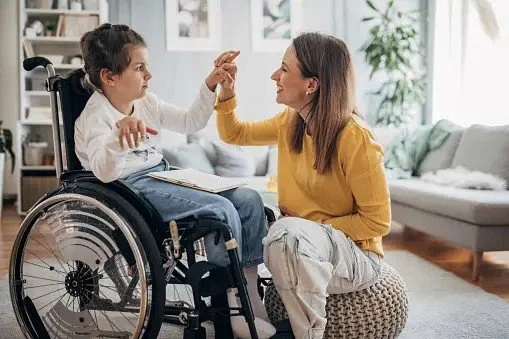
At BMe Supports, we recognise that no two people are the same. Every support plan is developed through a personalised, person-centred approach that honours individual strengths, communication styles, and needs. Our team works collaboratively with families, carers, and support teams to ensure strategies are effective, respectful, and aligned with the person’s goals and everyday life.

Reducing Harm and Restrictive Practices
At BMe Supports, we focus on reducing behaviours of concern through evidence-informed, skill-building strategies that improve safety and quality of life. Our Positive Behaviour Support Plans are designed to reduce and, where appropriate, eliminate the use of regulated restrictive practices, always prioritising the least restrictive and most empowering path forward.